From Antagonistic Talk to Cooperative Acts: The Effect of Polarization Cues on Newspaper Audiences
Two laboratory experiments test whether news about a polarized society can itself change polarization-related behavior.
Article ↗Computational social science · public communication · behavior

I study how public communication makes societal conflict visible, how people perceive that conflict, and when those perceptions shape behavior. My work combines computational text analysis and AI with digital traces, surveys, and experiments.
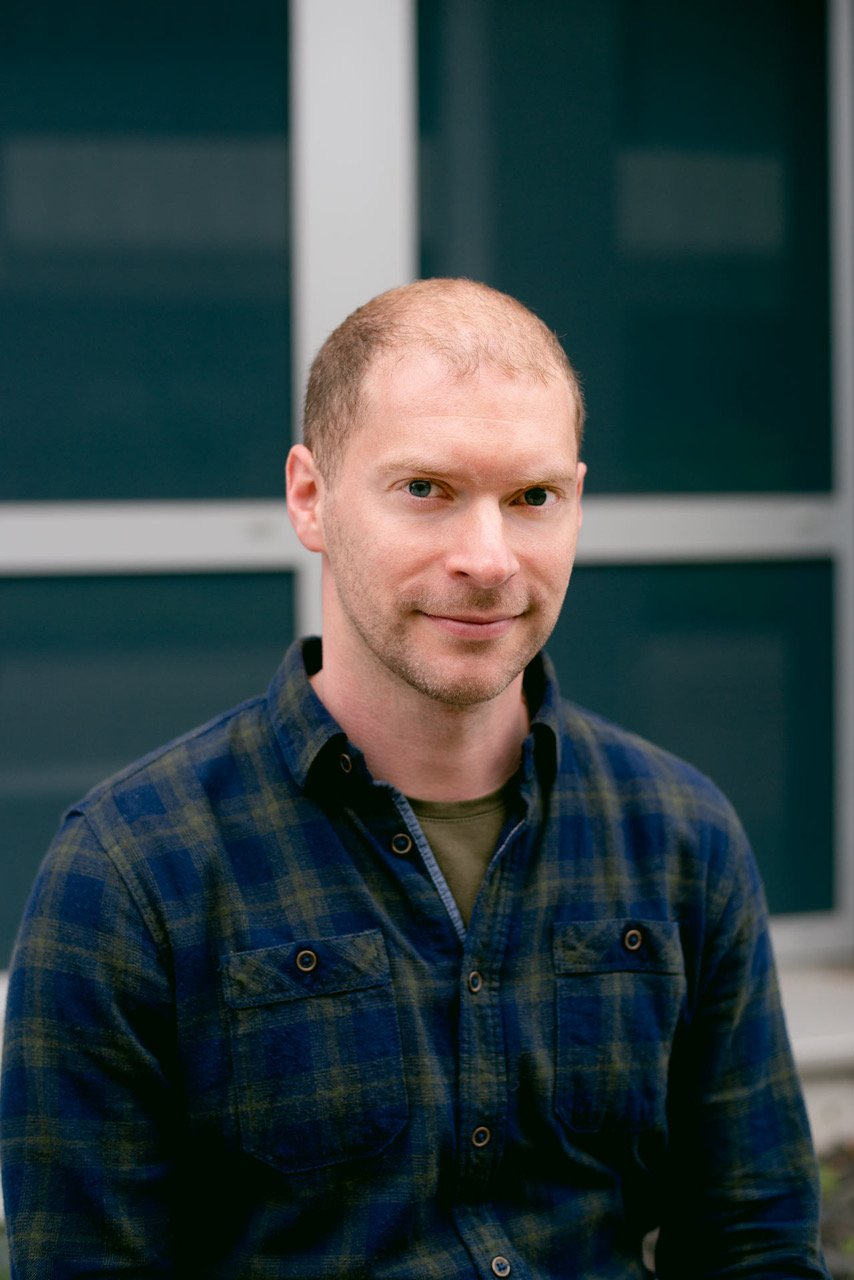
Profile
I am a Senior Research Associate in communication studies at the University of Hamburg. My academic background spans artificial intelligence, psychology, economics, and communication science. That breadth shapes how I approach computational social science: not as a single toolbox, but as the task of connecting different forms of evidence to the same social process.
My current substantive focus is public communication under conditions of societal conflict. I am particularly interested in polarization, climate and protest communication, digital media, and the ways journalistic and political representations influence perception and behavior.
Selected work
Recent work spans media effects, computational communication research, LLM-assisted content analysis, multilingual digital discourse, and the public representation of polarization.
Two laboratory experiments test whether news about a polarized society can itself change polarization-related behavior.
Article ↗A comparative computational analysis of polarization discourse in British, German, and Swedish newspapers.
Article ↗A validation-focused workflow for using locally run large language models in social-scientific content analysis.
Article ↗A six-language study of the European migration discourse, connecting media-source patterns, topics, and toxicity on Twitter.
Article ↗A comparative study of ideological differences in climate-change reporting in US and German newspapers from 2006 to 2023.
Article ↗An incentivized experiment on the acceptance of real-world evidence in politically polarized domains.
Article ↗Projects & funding
My current work combines computational research with experiments and direct collaboration with journalists. I have experience coordinating international and transdisciplinary projects and linking methodological work across institutions.
Volkswagen Foundation · Co-applicant and project coordinator
International comparative project across Germany, Sweden, Spain, and Poland. We study how journalistic practices relate to public perceptions of polarization and work with journalists to develop evidence-based recommendations for democratic debate.

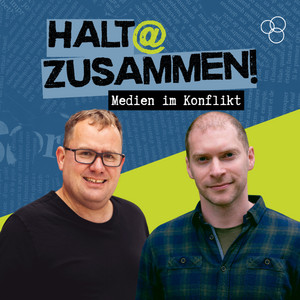 Podcast · In German
Medien zwischen Polarisierung und Meinungsbildung
A conversation with me about our current research on media and polarization.
Listen on Spotify (opens in a new tab)
Volkswagen Foundation · Co-applicant and project coordinator
The pilot project that established the Fuel2Fire research program, combining media-content research, experiments, and exchange with journalistic practice.
European Union Horizon 2020 · Senior Researcher, Lund University
Research on migration discourse, including large-scale multilingual analysis of social-media communication and the interaction between legacy and new media.
Riksbankens Jubileumsfond · Co-applicant
Interdisciplinary work combining historical data, institutional analysis, computational modeling, and agent-based simulation.
Teaching
My teaching follows the sequence question → evidence → data → method → inference. I emphasize quantitative foundations, transparent workflows, and the ability to judge what a method can and cannot establish.
I hold 15 ECTS in Higher Education Teacher Training and 15 ECTS in formal postgraduate-supervision training. I have supervised 12 Master's theses and currently co-supervise a PhD student.
Academic trajectory
My interdisciplinary trajectory is the basis for my current research identity: computational methods matter most when they are connected to theory, measurement, and causal evidence about social processes.
Contact
Faculty of Business, Economics and Social Sciences · Social Sciences · Journalism and Mass Communication
Von-Melle-Park 5 · Room 2103